
Tested, not assumed
Commercial pump & sump service
Commercial pumps usually fail during the storm that was going to test them. The point of scheduled service is that you find out first.
Elevator pits, plant rooms, loading docks and basement level areas all rely on pumps that sit idle for months and then have to work perfectly under the worst conditions of the year. Idle pumps seize, floats stick, check valves fail open, and discharge lines silt up, and none of that announces itself until the water is rising.
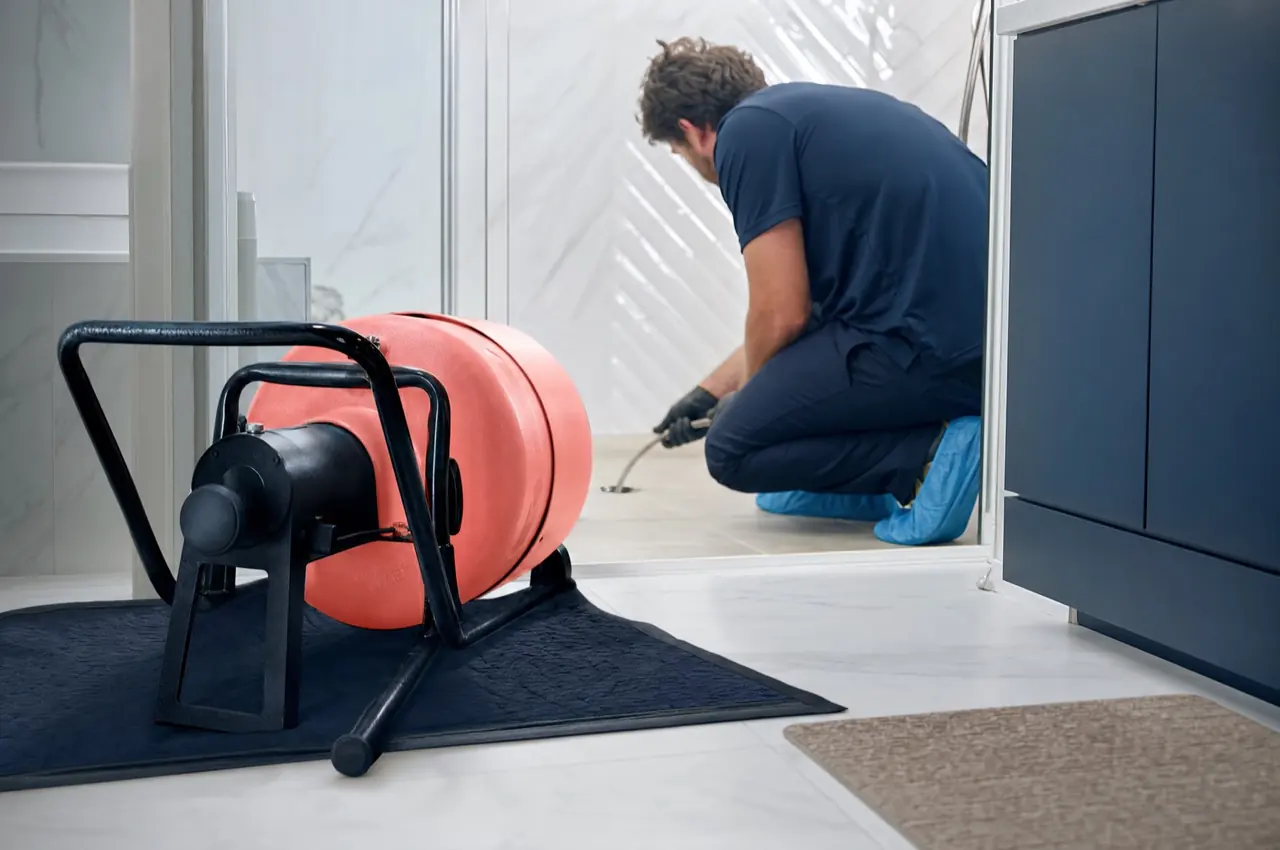
We test the whole path rather than just confirming the motor runs: the pit, the float through full travel, the check valve, and the discharge line proven under real flow to its outlet. A pump that runs into a blocked discharge is not a working pump.
Where these matter most
- Elevator pits, where a failure stops the building
- Plant and mechanical rooms with critical equipment
- Loading docks and below-grade access ramps
- Below-grade tenancies and storage
- Any pump nobody has tested this year
What we test
- Pit cleaned of silt and debris
- Float and alarm through full travel
- Check valve holding without back-feed
- Discharge line cleared and flow proven to the outlet
Test before storm season
Jacksonville gives you a predictable window each year to find out whether these work. Testing in April is a scheduled maintenance line item. Finding out in September is an insurance claim.
Straight answers
Questions about pump & sump service
How often should commercial pumps be tested?
Twice a year as a baseline, with one of those deliberately before storm season. Anything protecting critical equipment or an elevator warrants quarterly, because the consequence of failure is out of proportion to the cost of checking.
Do you fit high-water alarms?
Yes, and we recommend them anywhere a failure is expensive. An alarm turns a flood into a phone call, which is the cheapest upgrade available on most of these installations.
Flat rate, quoted before we start
Let's get it flowing
Call and talk to a person. You get a straight answer on what it is, what it costs, and when we can be there.